

Leibal Volumes 09: On Material Integrity, and feeling at home in Mexico City
Leibal at ICFF 2026, a conversation with Kalon, and Leo’s dispatch from CDMX

We are temporarily doubling our newsletter schedule! We will be publishing two newsletters per month until May. A lot is going on, and we want to share it with you.
To start with an announcement: Leibal will be participating in the 2026 edition of Lookbook within ICFF this May, during New York Design Week.
The section’s curator is Julia Haney Montanez (me!) - also director of Leibal’s retail.
So, of course, Leibal is getting in on it with our own booth within the section. Trade shows are back, guys. Yes, sexy collectible fairs are great, but there’s nothing like a trade show for getting in front of a serious interior design audience and for seeing the most launches and discoveries in one go. This section is very sophisticated, with a strong focus on craft and elegance.
To inaugurate our participation, today’s newsletter features Kalon, a studio we are proud to represent on Leibal’s store and at ICFF, and one whose approach to material integrity, longevity, and responsible production closely reflects our own values.
Below that, Leo recaps his exciting week at ZSONAMACO, the must-see fair that has transformed the art and design culture of Mexico City.
And make sure to check out Leo’s video from his recent stay at the Park Hyatt Kuala Lumpur, within the second-tallest building in the world, Merdeka 118.
We hope you enjoy it.
Kalon: On Material Integrity
Kalon’s furniture carries an immediate presence - noble materials and a sense of restraint - but the connection comes from how the work is framed: design shaped by ethics, ecology, and family life.
The name Kalon comes from an ancient philosophical idea of beauty tied to usefulness and moral worth. That way of thinking runs through the studio’s practice, influencing everything from material selection to production methods to how their pieces are meant to age through use.
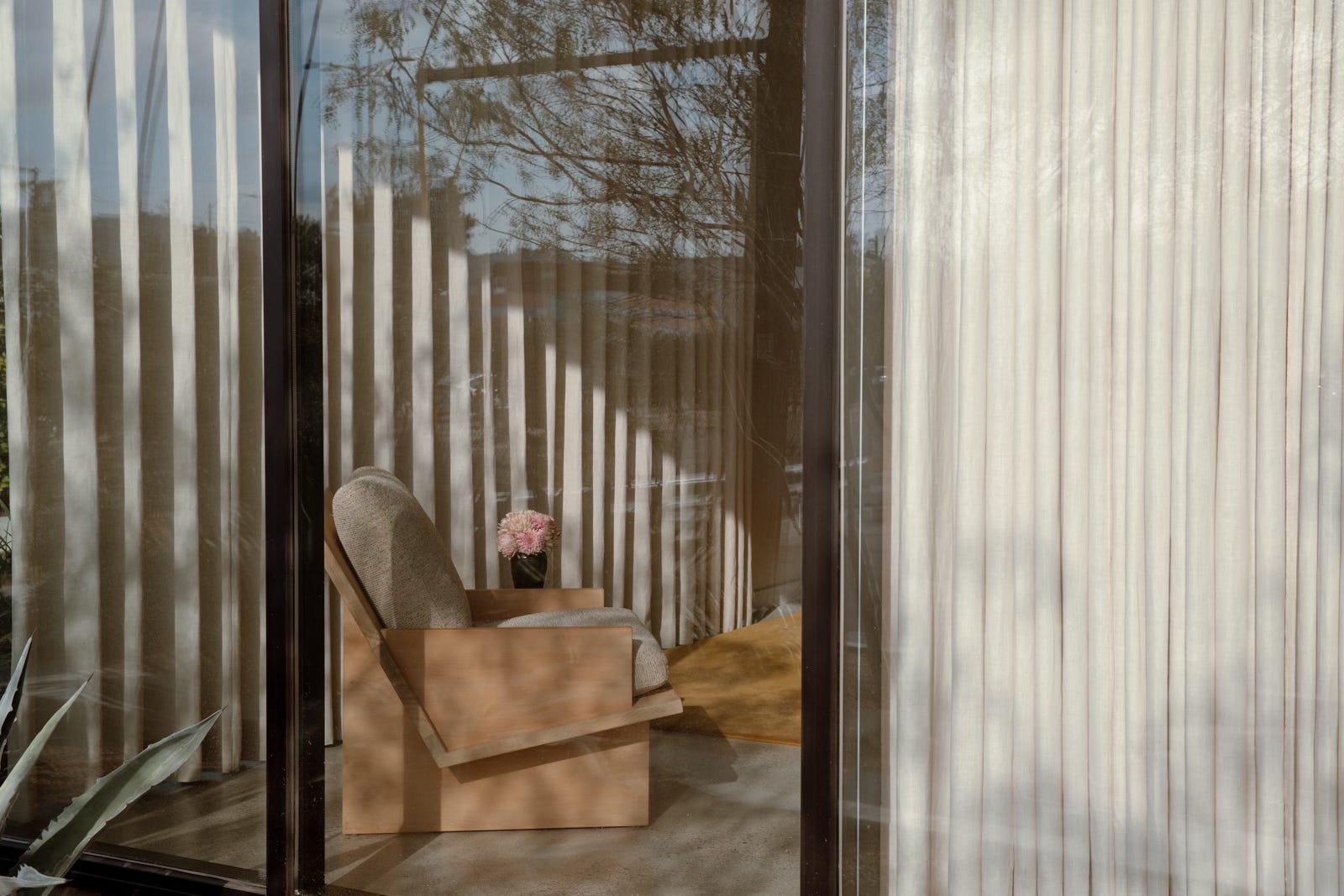
Founded in 2007 by Michaele Simmering and Johannes Pauwen, the studio draws from American furniture traditions and modernist design while maintaining a strong focus on elemental forms and natural materials. Their collections are built through partnerships with small teams of skilled craftspeople, using timber from sustainably managed forests.
When asked which material they’ve developed a deeper relationship with over time, the answer returns to wood, and their belief that irregularity present in nature is “psychologically stabilizing.” Wood’s role in human history, from early tools and shelter to furniture and feats of engineering, continues to shape the studio’s thinking.


Certain collections remain closely tied to specific moments in life. One body of work emerged during a period shaped by young children, a move away from the city, and proximity to Hancock Shaker Village, a place visited often alongside weekly communal dinners and a broader immersion in craft traditions, from textile work to Japanese ironwork. That time was also marked by hands-on making at home, including the construction of a timber-frame barn. Together, these influences informed a collection rooted in lived experience.
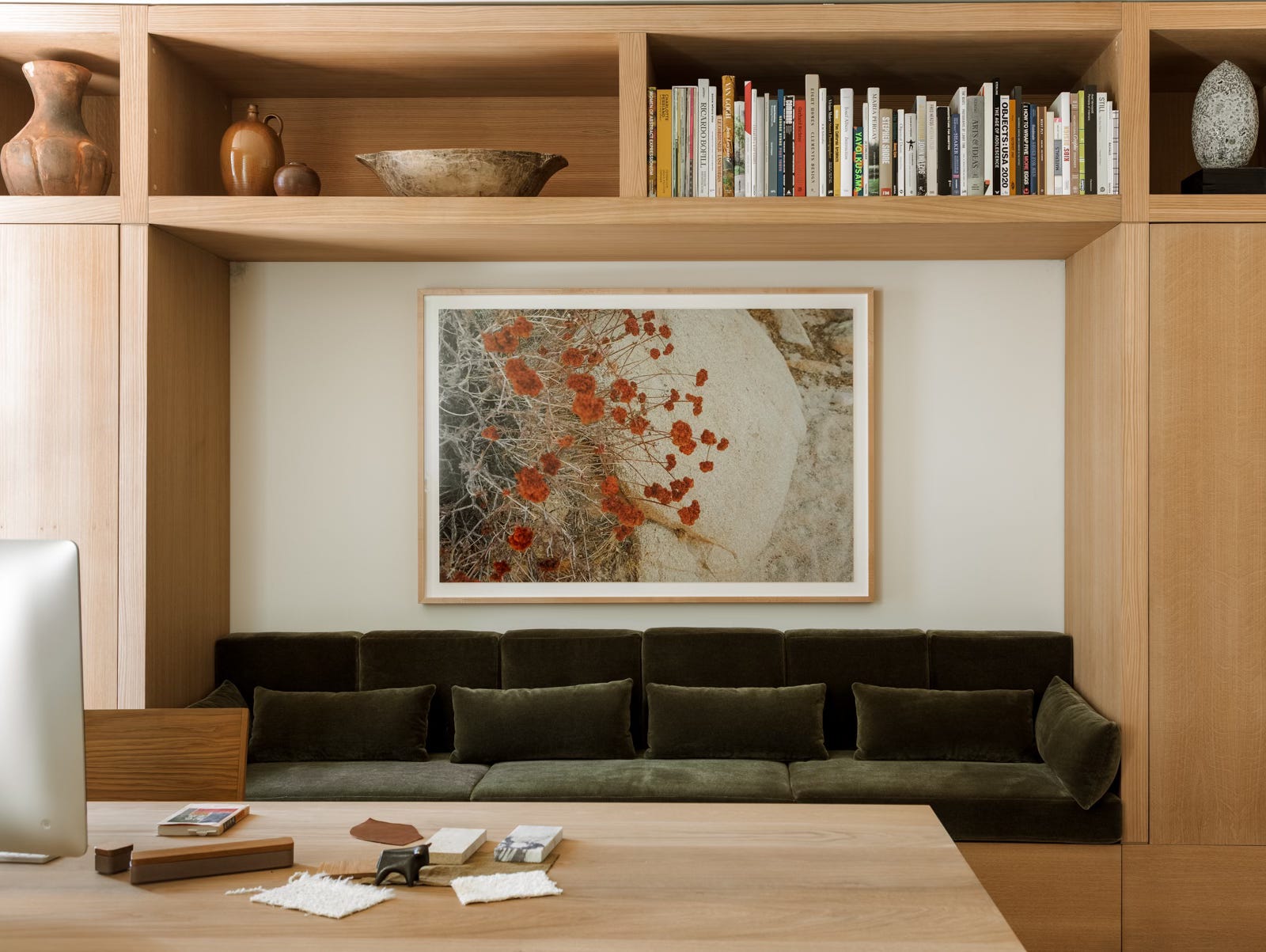
Now, with children grown, their practice transitions. Design is no longer driven by immediate personal need, but by curiosity and pleasure. The work has become less autobiographical and more open-ended.
Kalon identifies firmly as designers and creatives, defining their role through problem-solving. While deeply informed by craft traditions, their practice prioritizes concept, form, and systems over physical production. Design, in this sense, is distinct from both art and craftsmanship, about resolving ideas within real constraints.
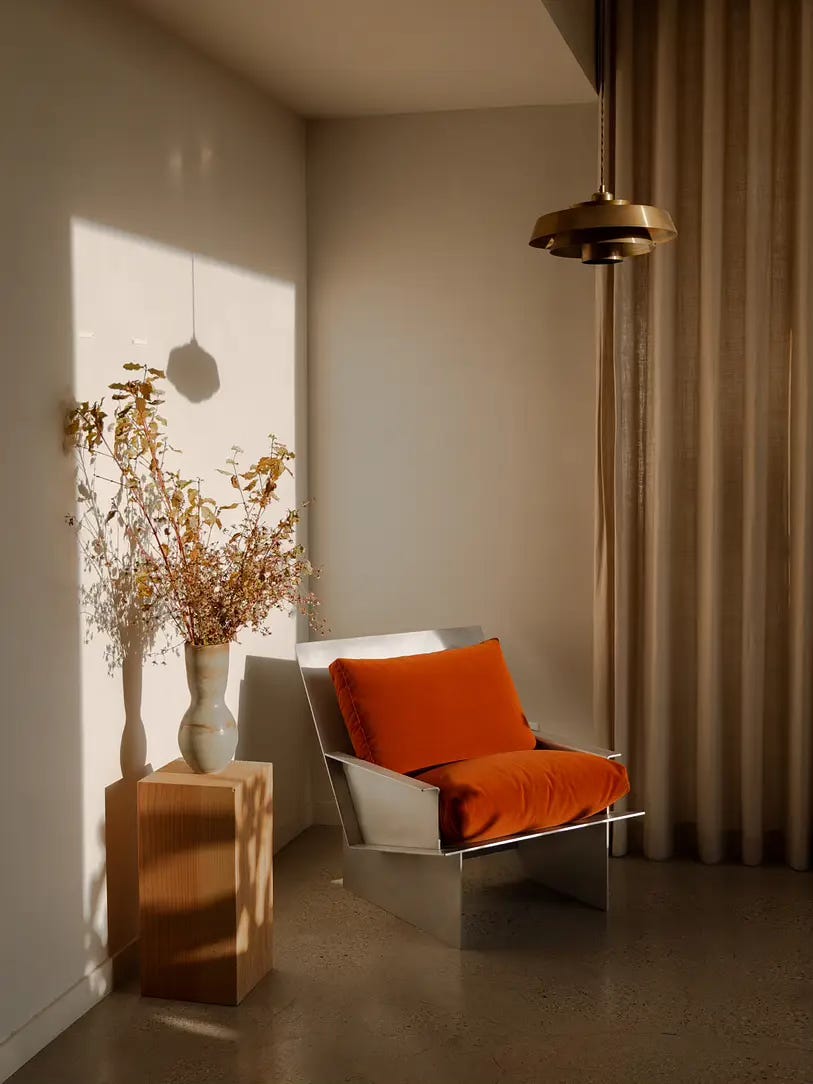
That outlook also explains why industrial design became Pauwen’s chosen discipline. Rather than committing to a single passion, design offered a flexible framework, capable of absorbing changing interests over time. Whatever the subject, there was always a way to design for it. Interests evolve, yet design remains.
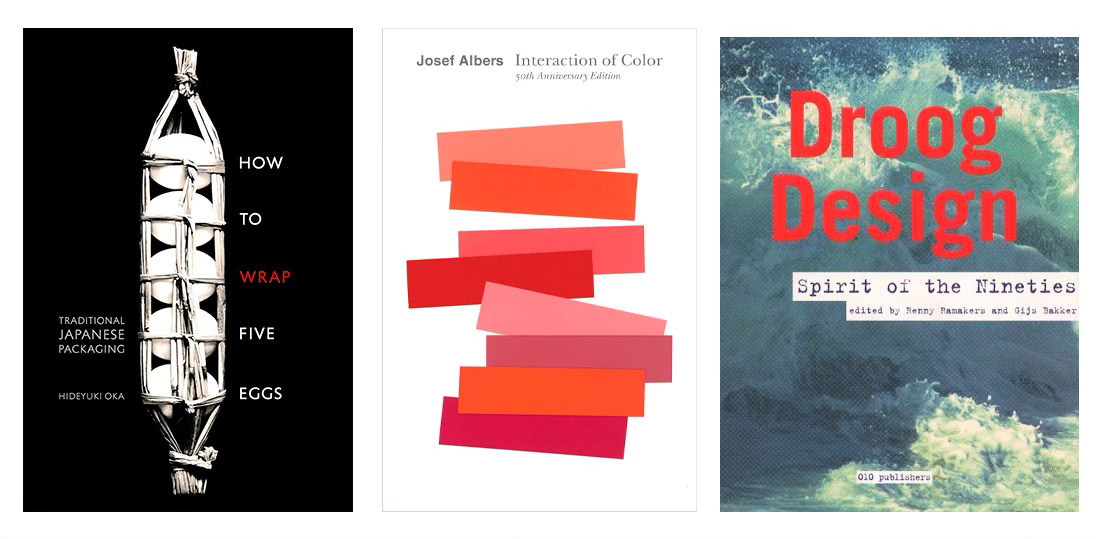
Their intellectual references reflect this breadth. A personal library might include Maggie Nelson’s Bluets, Josef Albers’ Interaction of Color, Helen Molesworth’s Black Mountain College, the Shop Drawings of Shaker Furniture & Woodenware for its focus on essentiality, How to Wrap Five Eggs for its’ human touch, and Droog Design: Spirit of the Nineties, because it challenges the limits of what design can be. As they note, Droog questioned what design was really doing, asking what the essence of a piece of furniture might be. Experimentation, rather than stylistic continuity, is the throughline.
What sets Kalon apart, especially within contemporary design culture, is how openly they engage with ideas beyond product. Their journal, Matter & Meaning, reads less like a studio archive than a constellation of references: essays on wonder and attentiveness, reflections on material cultures, architecture shaped by climate, and books that challenge how design is made and understood. It’s slow reading, intentionally so, mirroring the pace and values of the studio’s work - reflecting a commitment to design as a long-term practice, where usefulness, care, and longevity remain inseparable.
You can explore Kalon’s collection on Leibal.
Leo’s POV: Mexico City
I arrived in Mexico City for the ZSONAMACO fairs earlier this month, my seventh time visiting. The vibrant city was more energized than usual, with all the exhibitions happening alongside the fair, which is now feeling like an essential stop on the annual design calendar.
After I arrived from NYC, my first stop was at the Difane to see the photography exhibition by Alejandro Ramírez Orozco. At the center of the gallery was a collection of works by Manu Bano, Federico Stefanovich, among others, all incredibly captivating pieces. What made it especially interesting was how he paired the design with photographs of architectural and heritage buildings he had shot, which were installed throughout the gallery. Seeing the objects and the photographs together was really compelling.
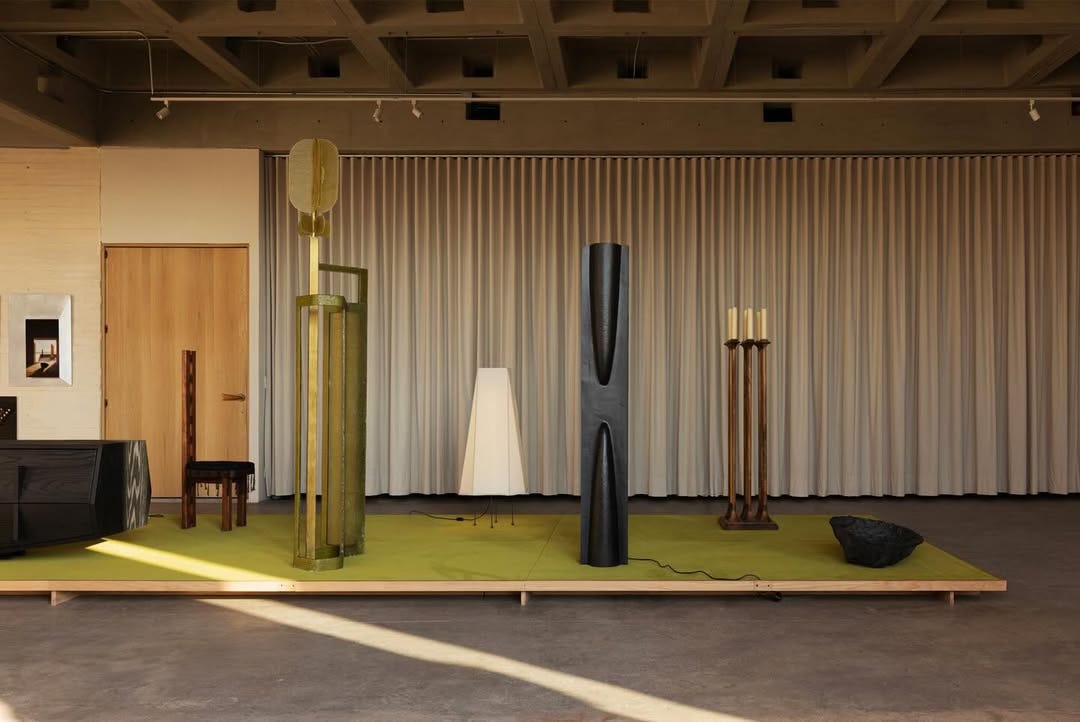


After that, the next stop was the Tanya Pérez Córdova solo exhibition at Travesía Cuatro, in another beautiful building where she had an installation of a huge, floating circular glass piece called El Aire, Hoy. There were a few other works as well. This exhibition felt a bit more art-focused than most of my stops, and was really special to see in person.


After that, I got ready for the Lee Broom and D.S. & Company dinner. Lee Broom’s collection was exhibited in this unbelievable space called The Residence. It’s technically a retail space, not a private home, but it’s set inside this incredible palacio-style building.
There was this huge dining table beneath an opening that lets you see all the floors above, and hanging down through the center were these massive Lee Broom chandeliers suspended directly over the table.
I met a lot of great people there, and Lee was incredibly gracious as always. The dinner itself was so thoughtfully done, you could really feel the care put into every detail. I actually kept the menu: braised quail, consommé, lemon shrimp, almond rice, meringue. It was excellent.
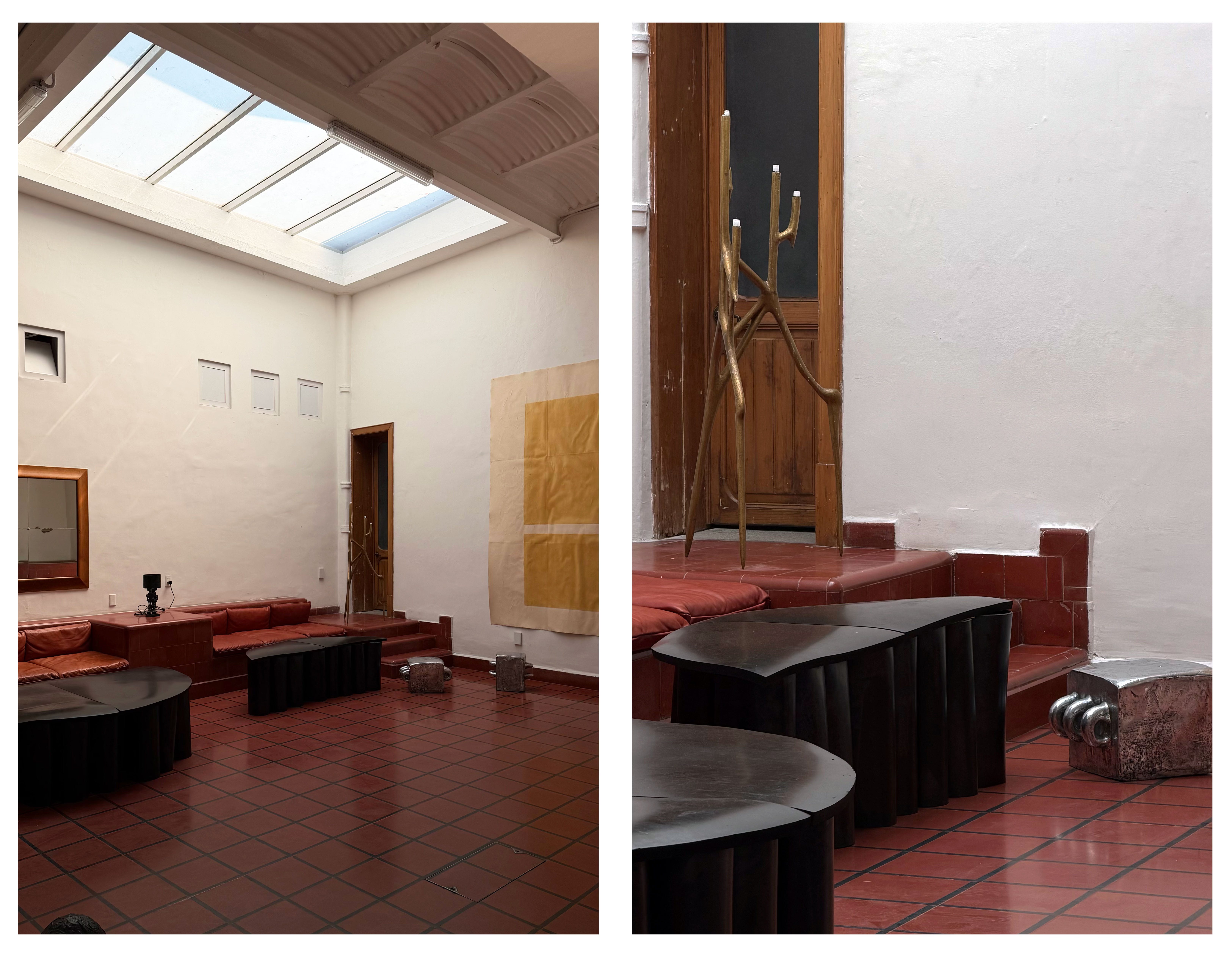
The next day, the first thing I did was go to Masa Gallery, presenting a collaboration with the Museo de Arte Moderno. What really stood out was this combination of very bright tiles on the floor and a huge skylight above. Even though it was clearly an exhibition space, it also felt like someone’s home - a common thread throughout my visits - very familiar, very lived-in. I ended up sitting there for a while. It was a really special room.
After that, I went to a performance-based furniture exhibition. This was the one with Sabine Marcelis, cc-tapis, and 6AM, presented by Úno Gallery in partnership with Studio 84. Studio 84 is a ballet and performance art studio, and the whole thing took place at the Escuela del Ballet Folklórico Amalia Hernández, which is an incredible building.
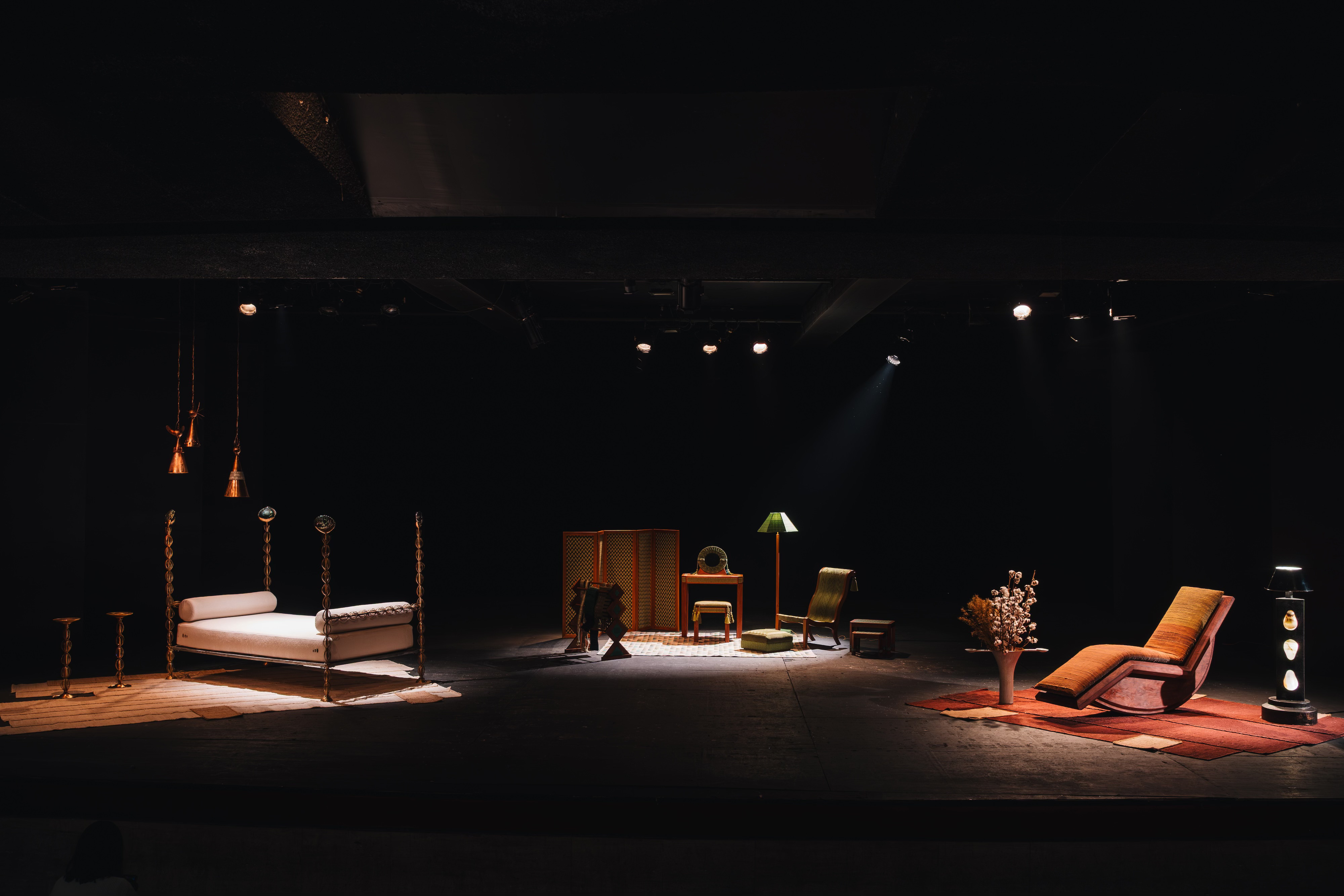
The furniture pieces were placed on the stage, and we all sat as audience members watching this performance unfold. The performers were playing instruments typically used in mariachi bands, but at first, they were playing them badly, almost as if they didn’t know what they were doing. There was this moment where you genuinely wondered whether they actually knew how to play.
Slowly, everything came together. By the end, they were all playing perfectly, and it turned into a full mariachi song. Then they walked offstage, and we were invited to come up and see the furniture pieces up close.


The next night, I met up with Federico Stepanovich at his new space in Centro. It’s in the same building as before, but he’s moved from a smaller studio into a much larger one that he completely renovated from the ground up. The building itself is full of creatives.
I went in the early evening, which was perfect because you could really see the lighting come alive. He’s showing a lighting and furniture collection inspired by marine morphology, like shells, skeletal structures, and he had all these seashells laid out throughout the studio.
He used fiberglass to create the translucent lamp shades, and also for the surfaces of the coffee tables and tables themselves. This is the same material found in actual seashells, so it all comes full circle.
Thank you for reading! At the end of the month, we’ll get into the second half of Leo’s trip to Mexico, and we’ll be spotlighting another design studio from our ICFF space, Mock Studio.
Until next time!
Thank you for this inspirational and informative post, Julia! Looking forward to seeing you at Lookbook at ICFF 🌟